Philip Schrodt
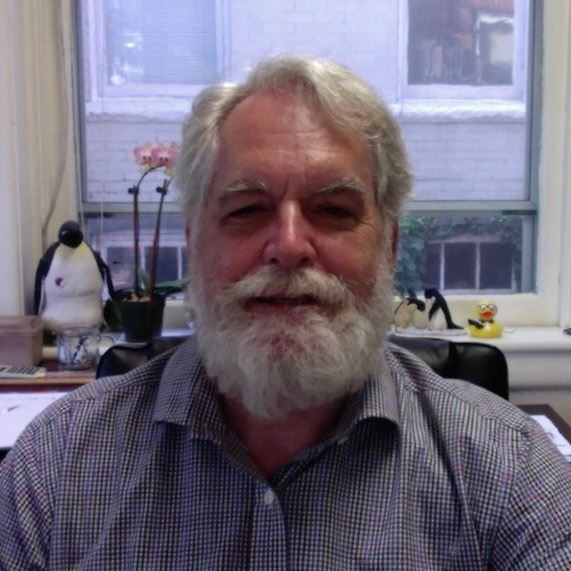
Phil has been a meditator since 1990, first in the Quaker tradition and since 2007 in the Buddhist Theravadan Insight tradition. In 2019 he was selected for and completed both the intensive and extensive versions of the Barre Center for Buddhist Studies course on early Buddhism, and has over 100 days of residential retreat experience with teachers in multiple traditions. During the COVID epidemic he guided meditation on Zoom weekly as part of the larger Zoom meditations sponsored by the Insight Meditation Community of Charlottesville; he currently practices in the Thich Nhat Hanh lineage at Cloud Floating Free Sangha. Phil is an introverted (of course) retired software developer formerly specializing in data analytics, and prior to this taught university-level courses for thirty-five years, with several teaching awards.
Email: schrodt735@gmail.com
This course
This course was originally developed and offered in a COVID-induced Zoom format under the auspices of the aforementioned IMCC in the fall of 2021. The Center at Belvedere had long expressed interest in the course and with COVID waning I decided to try it in a more secular format in-person, and the 50-person classroom filled to capacity and maybe half stuck through the whole thing: the web page and resources for this can be found here.
The course somewhat unexpectedly spun off the Center's on-going discussion group "Varieties of Spiritual Experience" (2nd and 4th Thursdays, 2:00 - 3:30), taking a much broader approach, developed under the able leadership of Gary Moody, and now running for 18 months. Despite the popularity of VSE, I kept getting requests to present the Buddhism course again and, once again under the sponsorship of The Center, am doing so in a somewhat shortened version, leaving out a couple of weeks of detailed discussions of Buddhist texts.
The objective of the course is to present information about various Buddhist traditions and approaches, not to "convert" people to Buddhism (which unlike in some religious traditions, isn't really a thing in Buddhism anyway). However, as I've spent considerable time giving talks from an explicitly Buddhist perspective to people with a commitment to the approach, and yes, I believe most of this stuff, I'll probably occasionally veer across that broad grey area into something that sounds more like advocacy. Though VSE has evolved some nice norms on presenting sincerely held positions without expecting others to adopt them.
As this course should also make clear, Buddhism has an extraordinarily complex history and teachings, and is undergoing multiple dynamic adaptations to modern conditions in both Asia and the West, so in the process of condensing 2500 years into about 240 minutes, some nuance will be lost: my apologies on all counts.